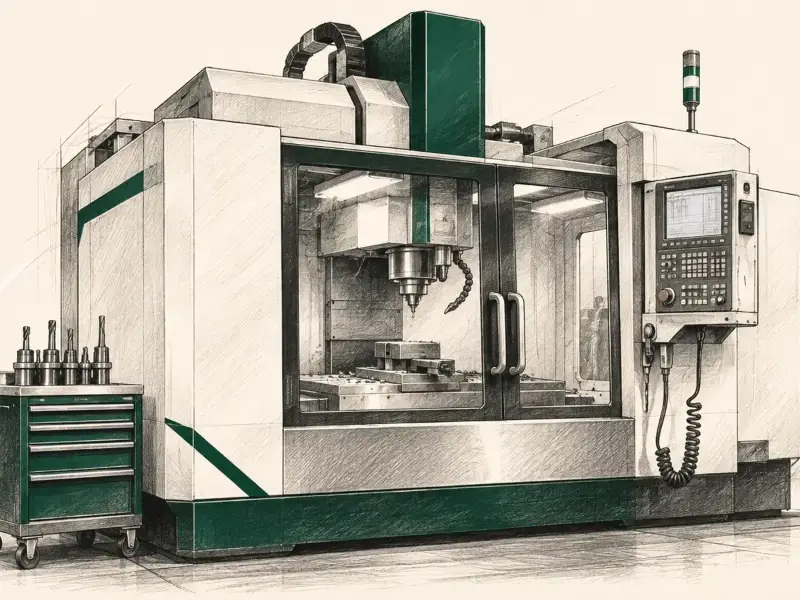
Wire & Cable Manufacturing Equipment Financing in Canada
A guide for wire and cable manufacturers buying new or used production machinery, with practical advice on asset quotes, deposits, installation and dealer referrals.
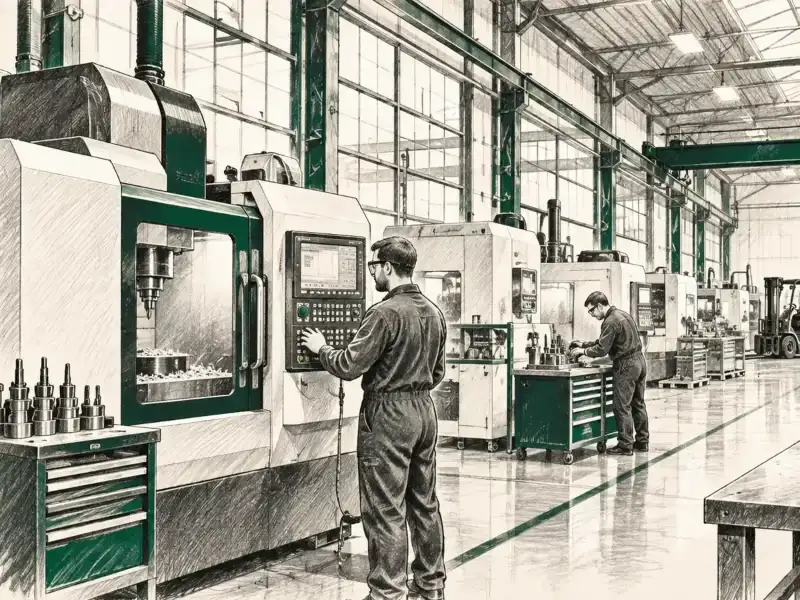
A manufacturer buying a wire-drawing machine, strander, bunching system or cable extrusion line is purchasing equipment with a very specific production job. An insulation extruder cannot replace a wire-drawing machine, and a reel-handling system may be only one part of a full line.
Raymond Leigh is a Montreal-based equipment finance brokerage, not a lender. Canadian commercial businesses can submit purchases of identifiable wire and cable production machinery for review. Requests are typically about $50,000 to $5 million. The review depends on the buyer, supplier, equipment, amount and delivery schedule. The financing provider decides whether to make an offer; a particular machine is not automatically eligible.
This guide is for businesses that manufacture wire, conductors and cable. It is not about electrical contractors buying wire for installation, telecom installers purchasing materials or construction projects.
Which wire and cable production machines can a manufacturer ask about?
The exact assets depend on what the factory makes. A wire-drawing machine reduces a rod or existing wire to the required diameter. An annealer changes properties of metal wire as part of production. A strander or buncher combines individual wires, while an armouring system adds a protective layer. Insulation or jacketing extrusion applies polymer around the conductor or cable. Pay-offs and take-ups control feeding and winding.
A supplier may offer these machines separately, or as a coordinated line. Ask for a list of the manufacturer, model, price, condition and function of each unit. Include major controls, measuring instruments, reels, tooling and handling accessories where they are part of the purchase.
SwissLine Technologies lists wire drawing, stranding, armouring, bunching and extrusion machinery serving this industry. Wironex Technologies also describes wire production equipment and integrated lines. These are independent technical market examples, not Raymond Leigh financing partners or confirmation that a lender will finance any listed machine.
A cable insulation line is different from a general plastic extruder
Both may involve polymer extrusion, but a cable insulation project also involves how the wire is fed, which crosshead applies the insulation, how the coating is cooled and measured, and how the finished cable is wound. It may also require new tooling and synchronization between several pieces of equipment.
If your factory is buying a stand-alone plastics extruder, Raymond Leigh's existing extrusion equipment financing guide covers that machinery. If you are replacing an entire cable insulation line, describe the conductor feed, extruder, controls, cooling, measurement and take-up as one production process. That lets a financing provider understand what machines are needed and which costs may be separate.
What changes when buying a used wire-drawing or stranding machine?
Used machinery can come from a dealer, another manufacturer or a closing factory. A quoted production speed or capacity from when the machine was new does not prove it can still meet your needs.
Ask for its make, model, serial number, production year, known operating condition, compatible wire sizes, working components and service history. Where possible, arrange a running demonstration or inspection. Check whether the controller, programming tools, safety systems, operating manuals and spare parts are included.
For a machine purchased through an auction or private seller, establish who has the right to sell it, whether existing security interests must be discharged, when payment is due and who removes the machinery. A lender may request this information and may value an older machine differently from a new one.
Can several machines be included in one financing request?
A manufacturer can submit a line-wide purchase proposal, but the supplier should break down the drawing, annealing, stranding, insulation, inspection, reel handling, control and installation components.
For example, a hypothetical quotation for a complete stranding line might include the rotating strander, pay-off, control system and take-up, but exclude spare dies, empty reels, rigging and electrical changes. Without the detailed quote, the financing provider cannot tell exactly what the purchase price covers.
Do not assume the line's entire quoted cost, permanent factory work, training, tooling or working capital can all be financed. The lender will determine which identifiable capital assets and related costs fit its offer, if any.
What about custom builds and supplier deposits?
A manufacturer ordering a customized cable line may need to pay part of the purchase price before the machinery leaves the factory. The seller may also want money when a machine is ready for inspection or before shipment.
Ask for a written milestone calendar, equipment schedule, expected shipping date, handover or title-transfer conditions and commissioning tests. A financing provider may not release funds for every pre-delivery payment. Find out what borrower cash or other arrangements are needed before signing a purchase agreement.
The existing Raymond Leigh production-line and long-lead-time guides explain the general supplier-payment process. This page focuses on wire and cable production equipment.
How can a wire machinery dealer offer customer financing?
A machinery seller can refer a prospective Canadian buyer to Raymond Leigh for a financing review while keeping its own lender or leasing relationships. The dealer should send the precise equipment quote, machine configuration, buyer details, new-or-used status, deposit calendar and acceptance requirements.
Raymond Leigh does not decide financing. A listing in a supplier's catalogue does not mean a lender will finance that machine. A co-branded vendor financing page may be established only after onboarding; the financing provider makes the credit decision on each buyer's transaction.
What should a manufacturer prepare?
Start with the company's legal name, operating location, equipment list, seller's quote, approximate requested amount and reason for the investment. Explain whether the machinery replaces an older line, increases capacity or supports a planned customer programme.
For used equipment, attach inspection and ownership documents when available. For imported equipment, identify the foreign seller, currency, shipping terms and payment milestones. The financing provider may request company financial information and additional evidence before making a decision.
Common questions
Can I request financing for a cable stranding machine in Canada?
Yes. A commercial buyer can ask Raymond Leigh to review a purchase of identifiable machinery. Availability and terms depend on the business, machine, seller, lender and transaction details.
Can used wire-drawing equipment be considered?
A used machine may be submitted for review. Its age, condition, configuration, ownership and service records can affect lender interest and the terms offered.
Is a wire insulation line the same as general plastic extrusion financing?
Not always. Insulation may use a plastics extruder, but the wire-handling, crosshead, measurement and take-up systems create a different complete-line purchase. A single extruder belongs to the general extrusion equipment guide.
Does the financing include equipment installation and factory electrical work?
The complete cost can be presented, but the lender decides which equipment and related costs are eligible. Fixed building improvements are not automatically part of the machinery loan or lease.
Can an equipment vendor keep its existing finance partner?
Yes. A vendor may discuss customer referrals with Raymond Leigh while continuing existing relationships. No buyer approval or seller payment is guaranteed.
Request a wire or cable machinery financing review
Share the equipment, supplier, proposed purchase amount and expected delivery schedule. Raymond Leigh can review the commercial request against available financing options, without promising a lender or approval.
Let's see if we can help!
A short conversation is usually enough to tell you which financing options fit and what they could look like.
Get financed now