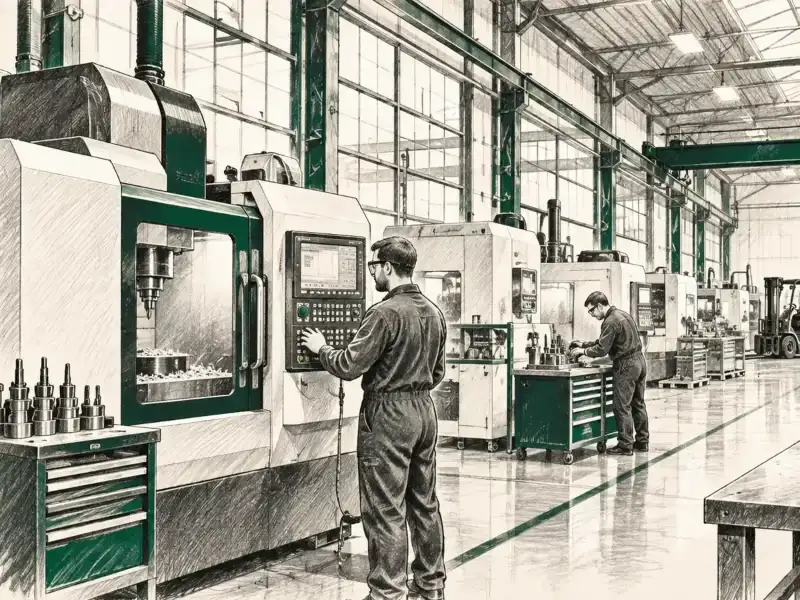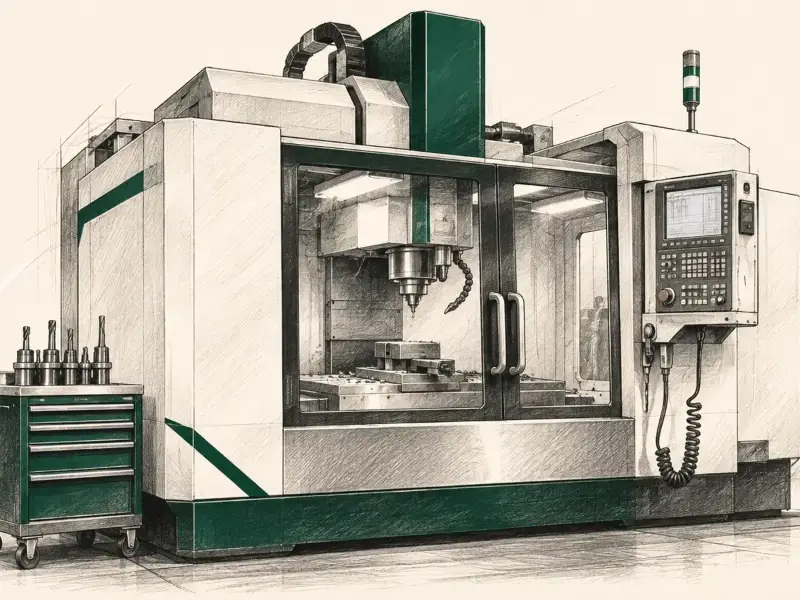
From Equipment Quote to Vendor Payout: How Customer Financing Works
The sale is not complete when a customer gets approved. Dealers need a clear process for conditions, documentation, delivery and payout.
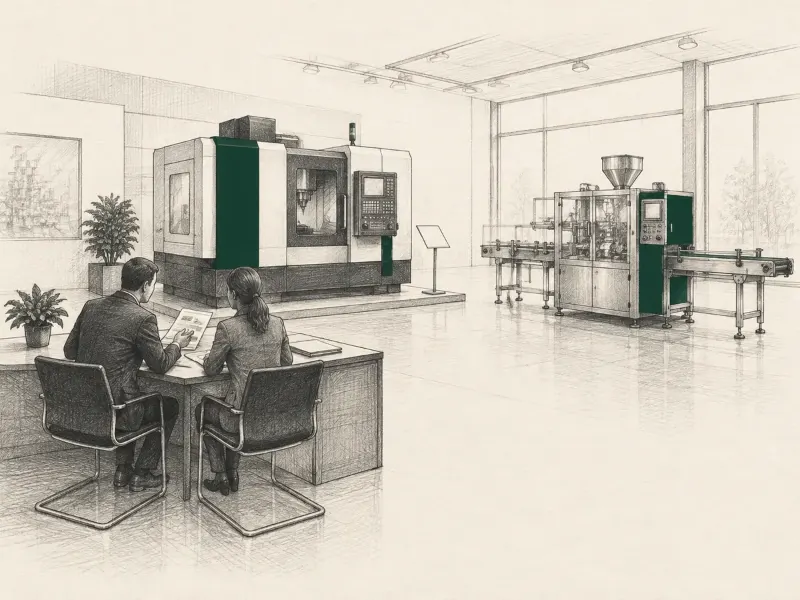
The approval email is not the finish line
Sales teams naturally celebrate an approval because the buyer has crossed a major hurdle. But the dealer is not paid until the financing source's conditions are satisfied and funds are released.
A good vendor program therefore tracks the transaction all the way to payout, not merely to a yes or no credit decision.
Start with an equipment quote a lender can actually use
The quote should identify the seller, equipment, price and major options. Used equipment may need year and serial number; custom equipment may need a specification and milestone schedule.
- Dealer legal name and payment details
- Buyer legal business name
- Equipment make and model
- New or used status
- Purchase price and taxes
- Deposit already paid
- Delivery or build timeline
If the quote is vague, the finance partner will have to reconstruct the transaction later when the sales team expects the file to be moving toward funding.
The salesperson should not promise a rate, approval or payment before the financing source has reviewed the application and issued terms.
Selling equipment to a Canadian buyer from outside Canada?
A Canadian buyer's financing request may involve a seller based abroad and an invoice in another currency. Along with the normal equipment quote, the seller should confirm:
- Its full legal business entity and where payment should be sent.
- The invoice currency and which party bears any currency-conversion cost.
- The agreed delivery handover point and the trade term (such as an Incoterm, if used).
- Who will act as importer of record into Canada and arrange customs paperwork.
- Who insures the equipment during transport and when that responsibility changes.
These details are not proof that a lender will finance an import, a deposit or shipping costs. The financing provider must confirm the seller, equipment, ownership, security and payment conditions before any funds are released. Ask qualified customs/tax professionals about import responsibilities when necessary. Raymond Leigh can review the equipment buyer and the proposed transaction against available financing options; the lender decides whether to offer terms.
Credit review and transaction review happen together
The financing source is evaluating the buyer, but it is also evaluating the equipment and seller. A strong company can still create a difficult file if the machine is old, privately sold, highly specialized or not clearly identified.
The reverse is also true: excellent collateral does not replace the need for a financeable borrower.
Conditions should be translated into actions
A conditional approval is useful only if everyone knows what is missing and who owns it.
| Stage | What the vendor needs to know | What can go wrong |
|---|---|---|
| Application | Basic buyer and transaction information | Incomplete legal entity or missing equipment quote. |
| Underwriting | Financial and credit information appropriate to the file | Customer delays providing requested documents. |
| Asset review | Equipment, seller, value and ownership information | Serial number, condition or lien issue appears late. |
| Documentation | Signed finance documents and required closing items | Insurance, signatures or invoice details are incomplete. |
| Funding | Final confirmation of delivery or acceptance where required | Dealer delivers before the financing source is ready to release funds. |
Visibility is the part that makes financing usable for salespeople
The salesperson does not need the customer's private credit details. They do need to know whether the sale is progressing, waiting on the buyer, waiting on the dealer or ready for the next step.
A useful finance partner turns lender conditions into operational status the dealer can act on.
The funding checklist should be agreed before delivery is scheduled
Dealers often know that an application has been approved but do not know which closing items are still outstanding. The practical list can include the final invoice, serial number, insurance, signed financing documents or evidence of delivery. Requirements vary by financing source.
The dealer should know which items it controls. That avoids the situation where a machine is placed on a truck because everyone assumes the financing is complete, while the lender is still waiting for a basic funding condition.
For the program itself, see Vendor Financing. Related transaction detail is covered in customer financing for industrial equipment dealers, financing before a machine ships, and embedded financing for equipment vendors.
Frequently asked questions
When is the vendor normally paid?
After the financing source's funding conditions are satisfied. The exact trigger depends on the lender and transaction.
Does an approval guarantee the dealer will be paid?
No. Documentation, equipment and closing conditions still need to be completed.
Can a dealer deliver before funding?
That can create risk. The dealer should understand the lender's requirements before releasing equipment.
Who should chase missing documents?
The process should assign clear ownership. A strong vendor program avoids making the salesperson coordinate every lender request manually.
Build the financing process all the way to payout
Raymond Leigh keeps the vendor updated on application and funding status, while the financing source handles credit review and closing conditions.
A financing department without building one
You already have the customers and the equipment. Raymond Leigh becomes the financing partner behind the sale.
Build my financing program