What Does Raymond Leigh Do?
Raymond Leigh is a Montreal-based equipment finance brokerage serving Canadian businesses and equipment vendors through 40+ lenders and financing partners.
Raymond Leigh is a Canadian equipment finance brokerage.
We help businesses find financing for new and used equipment, refinance eligible equipment they already own, structure sale-leasebacks, access cash tied up in eligible invoices and make financing available to equipment customers.
Raymond Leigh works with more than 40 lenders and financing partners. Our typical equipment-financing range is $50,000 to $5 million.
We are not the lender. Independent financing sources make the final credit decision and set the actual terms.
What does an equipment finance brokerage do?
A brokerage gives a business access to more than one financing source through one coordinated process.
That matters because lenders do not all want the same transactions.
One lender may like a new machine from an established dealer.
Another may be more comfortable with used equipment.
Another may consider a private sale, equipment refinance or sale-leaseback.
A lender that works well for a mature manufacturer may not be the right fit for a startup clinic buying its first equipment package.
Raymond Leigh starts with the transaction instead of assuming one lender or product fits every file.
What information does Raymond Leigh look at first?
The first review usually focuses on a few practical questions:
- What does the business need the money for?
- What equipment or assets are involved?
- Is the equipment new or used?
- Who is selling it?
- What is the purchase price or project budget?
- Has a deposit already been paid?
- When does the transaction need to close?
- Is the business established or newly opening?
- Is there existing debt on the equipment?
- Is the request one asset or a larger project?
Those answers help determine what financing route is realistic.
Equipment financing
Equipment financing is the largest part of what Raymond Leigh does.
A business has identified equipment it wants to buy and does not want to pay the entire purchase price from cash.
Examples can include:
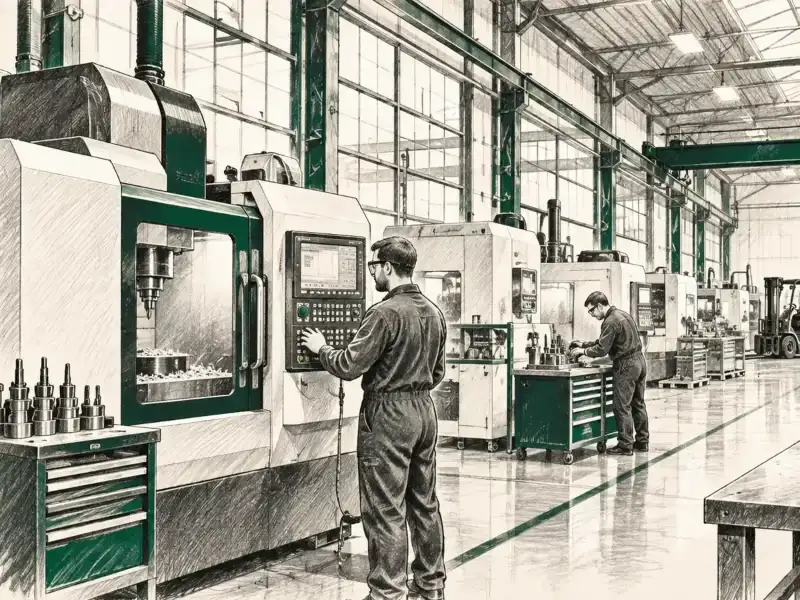
- manufacturing machinery
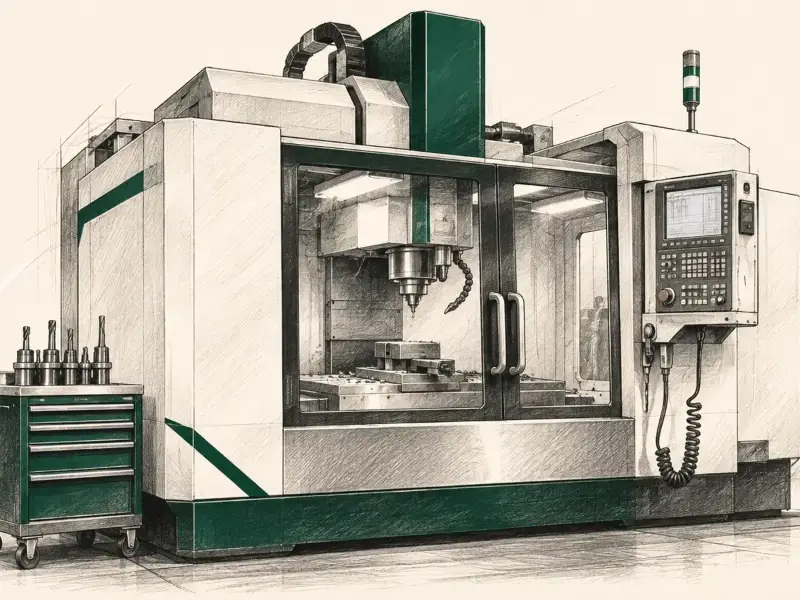
- CNC machines
- construction equipment
- forklifts and material-handling equipment
- trucks and trailers
- medical equipment
- dental equipment
- aesthetic equipment
- IT and infrastructure equipment
- forestry or resource equipment
- commercial production equipment
- other productive business assets
The transaction can be simple or complicated.
A new machine bought from a Canadian dealer is different from an older machine bought at auction, a private sale, an imported system or a custom production line that requires deposits before delivery.
Raymond Leigh reviews the actual equipment and transaction before deciding where the file should go.
Used equipment financing
Used equipment can be financeable.
The lender may pay more attention to:
- age
- condition
- seller
- purchase price
- remaining useful life
- service support
- current value
- serial number or equipment identification
- whether another lender has a security interest in the asset
A used machine should be presented as a specific asset, not simply as "used equipment."
The seller also matters. A dealer purchase, private sale and auction all create different closing requirements.
Equipment refinance
Equipment refinance starts with assets the business already owns.
Instead of borrowing to buy a new machine, the business is asking whether eligible existing equipment can support new financing.
A refinance may be considered when a business wants capital for:
- expansion
- inventory
- another equipment purchase
- hiring
- a new contract
- a temporary cash-flow need
- an acquisition
- another business purpose
The financing source will usually need to understand the equipment's current value, existing liens or debt and the business's ability to support the new obligation.
The original purchase price does not determine how much capital is available today.
Sale-leaseback
A sale-leaseback is another way to access capital from eligible equipment the business already owns.
The business sells the equipment to a financing source and continues using it under a lease.
The equipment generally stays in the operation.
The purpose is to release capital that is tied up in productive assets.
A sale-leaseback is not automatically better than a refinance. The right structure depends on the equipment, value, existing security, business need, tax and accounting considerations and the actual terms offered.
Invoice factoring and receivables financing
Sometimes the financing need is not equipment.
A business may complete work today and wait 30, 60 or 90 days for a customer to pay.
Meanwhile, payroll and supplier costs continue.
Invoice factoring can help a business access cash tied up in eligible business-to-business receivables before the customer pays on its normal schedule.
This is a different financing problem from buying equipment.
The structure depends on the receivables, customers, margins and transaction.
Inventory and selective working-capital needs
Some businesses need capital for inventory or a short-term operating gap.
Raymond Leigh first looks at why the cash is needed.
The answer may point to:
- equipment financing
- equipment refinance
- sale-leaseback
- factoring
- inventory financing
- another working-capital structure where an appropriate financing source is available
We do not assume every operating expense can or should be financed.
The financing period should make sense for what the money is being used for.
Vendor and customer financing
Raymond Leigh also works with equipment dealers, distributors, manufacturers and other B2B equipment sellers.
The vendor sells the equipment.
Raymond Leigh coordinates the financing process.
The independent financing source makes the credit decision.
A vendor can use Raymond Leigh as:
- a customer-financing option;
- an additional route beside an existing lender;
- a second-look route after a decline; or
- a financing partner for more unusual equipment transactions.
The vendor does not have to become a lender.
A vendor can keep its current financing relationship
A dealer does not have to replace a lender that already works well.
If the existing financing source handles standard transactions successfully, Raymond Leigh can be another route for files that fall outside that lender's normal policy.
Examples can include:
- used equipment
- older equipment
- startup customers
- specialized assets
- larger projects
- private-sale situations
- unusual seller structures
- customers declined by the first financing source
The exact workflow depends on the vendor and transaction.
Why more than one lender matters
Consider three businesses.
One is an established contractor buying a new excavator.
One is a machine shop buying a used CNC from another manufacturer.
One is a dentist opening a first clinic and buying a complete equipment package.
All three need equipment financing.
They are not the same credit request.
The assets, sellers, businesses, timing and risks are different.
A lender can be a good fit for one file and a poor fit for another.
Working with more than 40 lenders and financing partners gives Raymond Leigh a broader set of possible routes.
That does not guarantee approval.
The value comes from relevant lender coverage and selective routing, not from sending every application everywhere.
If you're comparing banks, lenders and brokers, see our guide to alternative business financing in Canada.
What happens after a business contacts Raymond Leigh?
The process usually begins with the financing need.
For an equipment purchase, useful starting information includes:
- quote, invoice or listing
- purchase price
- seller
- new or used status
- what the business does
- why the equipment is being purchased
- timing
- deposits already paid or required
Larger or more complicated transactions may require more detail.
For example:
- a production line may involve several suppliers and progress payments;
- a private sale may require ownership and lien checks;
- a startup may need a full opening budget and liquidity review;
- an equipment refinance may require an equipment schedule and current debt information.
Raymond Leigh reviews the file and determines which financing sources are worth approaching.
The lender then performs its own underwriting.
Does Raymond Leigh approve the financing?
No.
Raymond Leigh is not the lender.
Independent lenders and financing partners make the final credit decisions.
That means Raymond Leigh cannot responsibly guarantee:
- approval
- a specific rate
- a specific down payment
- a specific term
- a specific advance against equipment
- financing for every soft cost
- funding before all lender conditions are satisfied
We can help prepare, route and coordinate the transaction.
The financing source sets the final terms.
When might a business not need Raymond Leigh?
A brokerage route is not automatically the best option.
A business may already have a strong bank relationship and a competitive written approval for a straightforward equipment purchase.
If that financing works for the asset, price and timing, adding another process may provide little value.
The same can be true for a vendor whose existing financing partner already handles most customers successfully.
Raymond Leigh tends to add more value when lender fit is uncertain or the transaction is unusual.
An illustrative equipment transaction
A manufacturer wants to buy a used production machine for $475,000 from another operating company.
The project also includes:
- removal and rigging: $25,000
- freight: $15,000
- installation and electrical work: $30,000
Total project: $545,000.
Before the financing can be routed properly, several questions matter:
- Who owns the machine?
- Is there existing financing or a registered security interest?
- What is the exact make, model, year and serial number?
- Which costs are equipment and which are installation?
- Has a deposit been paid?
- When does the seller need the balance?
- What financial information is needed from the buyer?
That is where brokerage can help.
The challenge is not simply finding a company that offers an equipment loan. It is finding a financing source that fits the borrower, asset, seller, closing process and timing.
This example is illustrative only.
What should you send first?
You do not need a perfect financing package before asking whether a file is worth reviewing.
For an equipment purchase, start with:
- equipment quote or listing
- amount
- seller
- new or used status
- what the business does
- why the equipment is being purchased
- required closing date
For a refinance, start with a basic equipment list and existing financing.
For factoring, start with information about the receivables and customers.
For a vendor program, start with the equipment sold, typical transaction size, customer profile and current financing process.
The simplest way to think about Raymond Leigh
Raymond Leigh helps Canadian businesses and equipment sellers answer one practical question:
Where does this financing need fit?
Sometimes the answer is equipment financing.
Sometimes the business already owns equipment that may support a refinance or sale-leaseback.
Sometimes cash is tied up in invoices.
Sometimes an equipment vendor needs another route for a customer.
And sometimes the business already has a financing relationship that works well.
Our role is to understand the file, identify realistic financing routes and coordinate the process with financing sources that fit the transaction.
Let's see if we can help!
A short conversation is usually enough to tell you which financing options fit and what they could look like.
Get financed now