Customer Financing for CNC Machine Dealers
A financing option can help CNC dealers keep buyers moving when cash or a single lender becomes a bottleneck. The dealer keeps selling while Raymond Leigh handles the financing process.
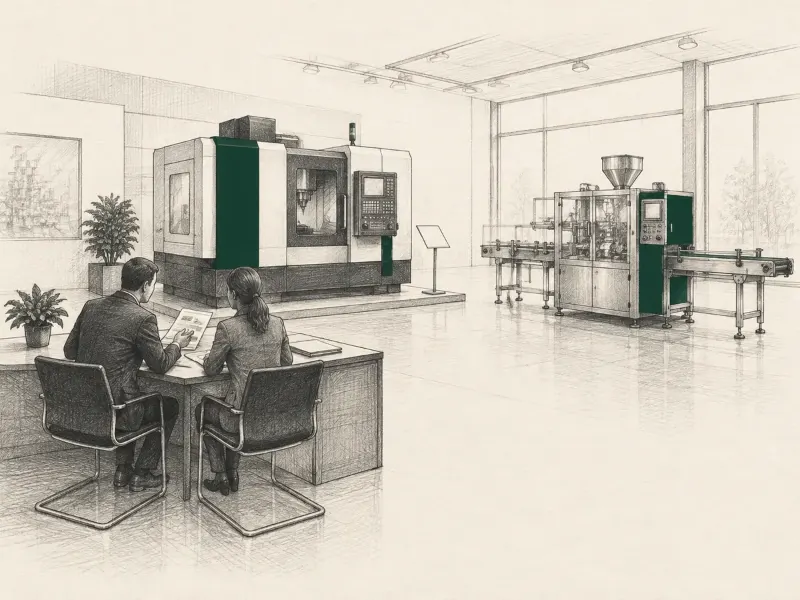
Financing becomes part of the sale when the buyer cannot simply pay cash
A customer can be completely sold on a CNC machine and still be unsure how to finance it.
That financing question often appears late in the sales process, after the dealer has already spent time quoting the machine, discussing specifications and working through delivery timing.
If the dealer has no clear financing path, the buyer is left to search for a bank, broker or lender on their own. The equipment sale can lose momentum while the customer tries to solve the financing separately.
A better process gives the salesperson somewhere to send the customer without asking the salesperson to become a credit expert.
The dealer should not have to underwrite the customer
The dealer's job is to sell equipment.
It should not need to decide whether the buyer has enough credit, which lender will accept a used machine or how a private sale should be structured.
Raymond Leigh can take the financing conversation from there. The buyer provides the business and financial information needed for review, while the dealer provides a clear equipment quote and transaction details.
The file can then be routed toward financing partners that are more likely to fit the buyer, equipment and transaction.
The dealer should never promise approval, a rate or a specific structure on Raymond Leigh's behalf.
Your existing lender does not have to disappear
Many equipment dealers already have a bank, captive program or finance company they use regularly.
If that relationship works well, keep it.
Raymond Leigh can be an additional route when a transaction does not fit the usual program, when the buyer wants another option or when the equipment is outside the primary lender's comfort zone.
This matters because CNC transactions vary widely. A lender that likes new dealer-sold equipment may be less comfortable with an older machine, a startup buyer or a package involving several machines.
Introduce financing while the customer is still buying the machine
The financing conversation works best when it happens before the sale has stalled.
A salesperson does not need to push financing on every customer. But when the buyer says it will need financing, wants to preserve cash or is waiting on its bank, the dealer can introduce another financing route immediately.
That keeps the equipment decision and the financing process moving at the same time.
What the dealer needs to provide
The dealer's side of the file should be straightforward.
- Customer contact information
- Dealer quote or invoice
- Machine manufacturer and model
- New or used status
- Year and serial number when available
- Purchase price
- Deposit requirements
- Expected delivery or closing date
- Any important accessories, tooling or automation included in the sale
For a used CNC machine, clear condition and equipment information can also help the financing source understand the asset.
What Raymond Leigh handles
Raymond Leigh reviews the financing request, determines what additional information is needed and routes the file toward appropriate financing partners.
The exact process depends on the transaction. A standard new-machine sale may be simpler than a startup buying a used machine or a customer purchasing several pieces of equipment at once.
Raymond Leigh also coordinates the financing process and communicates meaningful next steps with the customer and dealer as the file moves forward.
That does not mean every file follows the same path or that every request will be approved.
Used CNC sales need a stronger equipment file
Used machinery can be financeable, but the asset usually needs to be described more clearly.
A quote that says only “used CNC machine” does not give the financing source much to work with.
Include the manufacturer, model, year, serial number if available, asking price and what is included with the machine.
If the machine has major upgrades, recent rebuild work or important accessories, document them.
The dealer is not responsible for proving that the machine is mechanically perfect. The goal is to make the transaction understandable.
A first-time CNC buyer may need more explanation than an established machine shop
An established manufacturer adding its tenth machine can often explain the purchase through existing production, capacity and financial history.
A newer company buying its first CNC machine may need to show more about the owners' experience, customer demand, available cash and how it expects to support the equipment payment while the business ramps up.
That does not mean the newer buyer should be rejected automatically. It means the file may need a different lender and a more complete explanation.
A second look can save a sale that does not fit the first lender
Suppose the dealer's usual finance company declines a buyer because the business is too new for its program or the machine is older than it prefers.
That answer tells you the file did not fit that lender. It does not automatically tell you that every lender will reach the same conclusion.
The dealer can send the transaction for a second look instead of immediately abandoning the equipment sale.
If the first lender gave a reason for declining, include it. That information can help Raymond Leigh avoid repeating the same mismatch.
Example: a $425,000 CNC sale that needs a second route
Consider an illustrative dealer selling a $425,000 used machining centre to a growing manufacturer.
The buyer has operated for three years, has strong customer demand and needs the machine to add capacity. The dealer's usual lender declines because the machine age and business profile fall outside that lender's program.
The dealer sends Raymond Leigh the buyer contact, machine quote, year, model, price and the reason for the first decline.
Raymond Leigh reviews the transaction, gathers the additional buyer information needed and determines which financing partners are worth approaching.
The dealer continues working on the equipment sale while the financing review happens separately.
This example is illustrative. A second review does not guarantee approval, and the information required will depend on the buyer, machine and lender.
Funding and delivery need to be coordinated
The dealer should tell Raymond Leigh about any deposit, payment deadline or planned delivery date at the beginning.
An approval is not the same thing as funds being available whenever the dealer wants to ship the machine.
Before delivery, the parties may still need to complete lender documentation, verify the equipment transaction and satisfy other closing conditions.
If the machine has a long lead time or requires progress payments before delivery, that should also be raised early because not every financing source handles staged vendor payments the same way.
The dealer still owns the equipment relationship
Raymond Leigh handles the financing side of the transaction.
The dealer remains responsible for the machine, quote, equipment representations, delivery, installation obligations and the commercial relationship with the customer.
Keeping those roles clear makes the process easier for everyone.
Build the financing route before the difficult deal arrives
A dealer does not need to wait for a decline to decide what happens next.
The simplest process is one the sales team already understands: use the existing finance relationships where they work, and have a clear additional route for customers or transactions that need something different.
Learn more about Raymond Leigh vendor financing or second-look financing for manufacturing equipment dealers.
A financing department without building one
You already have the customers and the equipment. Raymond Leigh becomes the financing partner behind the sale.
Build my financing program